Distributed Fulfillment in 2026: Ship Closer, Spend Less
Distributed fulfillment in 2026 means shipping from the node closest to the buyer. Here's how DTC sellers cut zones, cost, and transit time.
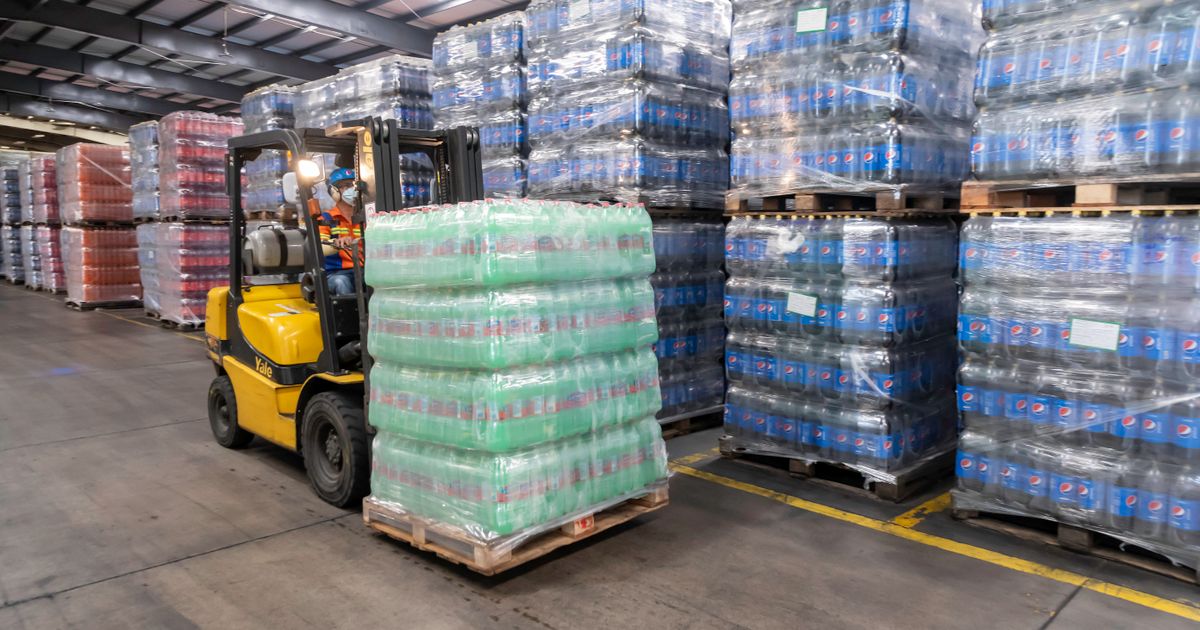
Distributed fulfillment is the most underrated cost lever in DTC for 2026. The idea is simple: instead of shipping every order from one warehouse, you hold inventory in multiple locations and ship each order from the node closest to the buyer. Fewer zones crossed means lower cost and faster delivery — and in a year where carriers raised rates and started rounding dimensional weight up, that matters more than ever.
The Zone Problem
Shipping cost scales with distance — specifically, zones. A parcel from a single coastal warehouse to the opposite coast crosses the maximum zones and pays the maximum price. Do that across thousands of orders and you're systematically overpaying on the half of your customers who live far from your one location.
2026 makes this sharper. UPS and FedEx both posted a 5.9% General Rate Increase, and real costs land at 8–12% after surcharges. Carriers also now round DIM inches up before billing. Every avoidable zone is now a slightly more expensive mistake — see how carriers round DIM up in 2026 for why box size compounds this.
Distributed fulfillment attacks the problem at the root: ship from closer, cross fewer zones, pay less.
How Distributed Fulfillment Works in 2026
The 2026 version is powered by dynamic routing — AI picks the ship-from node based on stock, cost, and speed for each individual order. It's no longer a static rule like "East stock ships East." The system weighs where the inventory is, what each lane costs, and how fast the order needs to arrive, then routes accordingly.
This is a core piece of the "self-correcting" networks reshaping logistics — systems reported to improve service levels by roughly 65% while cutting logistics cost about 15%. When a node runs low or a lane slows, routing adapts on its own.
What distributed fulfillment optimizes:
- Zones — fewer crossed per order, directly lowering cost.
- Transit time — closer origin means faster delivery, fewer complaints.
- Resilience — one node's problem doesn't stop everything.
- Carrier fit — different origins favor different carriers.
That last point is key: once you ship from multiple origins, the best carrier changes per origin and per destination. Distributed fulfillment and carrier-neutral rate shopping are two halves of the same optimization — more on the rate side in carrier rate shopping to lower costs in 2026.
The Honest Scope for Small Sellers
Full multi-node distribution with predictive placement is the industry direction, and it's where the big players are headed. But you don't need a network of warehouses to start. Even two stocking locations — or a single warehouse paired with disciplined rate shopping — captures a real share of the savings without the operational weight.
The trap is assuming you need the whole AI-routed network before you do anything. You don't. 74% of practitioners call AI their primary driver through 2026, but only 29% have the infrastructure to execute it. The sellers who win start with the deterministic wins and add nodes as volume justifies them.
Start With the Rate Layer
Whether you ship from one location or several, the per-order decision that always pays is which carrier and service to buy. ShippingOS imports orders from Shopify, Amazon, eBay, Walmart, TikTok Shop, Etsy, or CSV into one queue, shops carrier-neutral rates across USPS, UPS, FedEx, and DHL, and selects the cheapest viable service — then lets you buy and print labels in bulk with tracking and lightweight inventory. Free software, no monthly fee, API never gated.
That gives you the rate-optimization half of distributed fulfillment immediately. Add stocking locations over time, and the dynamic-routing half slots in on top of a foundation that's already saving you money per label.
The Bottom Line
Distributed fulfillment in 2026 is about one durable truth: shipping closer costs less and arrives faster. AI-driven dynamic routing is how the industry scales that idea, but the entry point is humble — shop rates honestly, ship from the nearest viable origin, and stop paying for zones you don't need to cross.
Stop overpaying for distance. Start with ShippingOS.
Ship every order from one queue
Carrier-neutral rate shopping, every channel, no monthly fee. Free to start.
Create your free account →